Automatic Assembly Machine
News
  • American-Type Hose Clamp Assembly Machine: Engineered for High-Volume Automotive Production
    2025 - 11 - 15 American-Type Hose Clamp Assembly Machine: Engineered for High-Volume Automotive Production
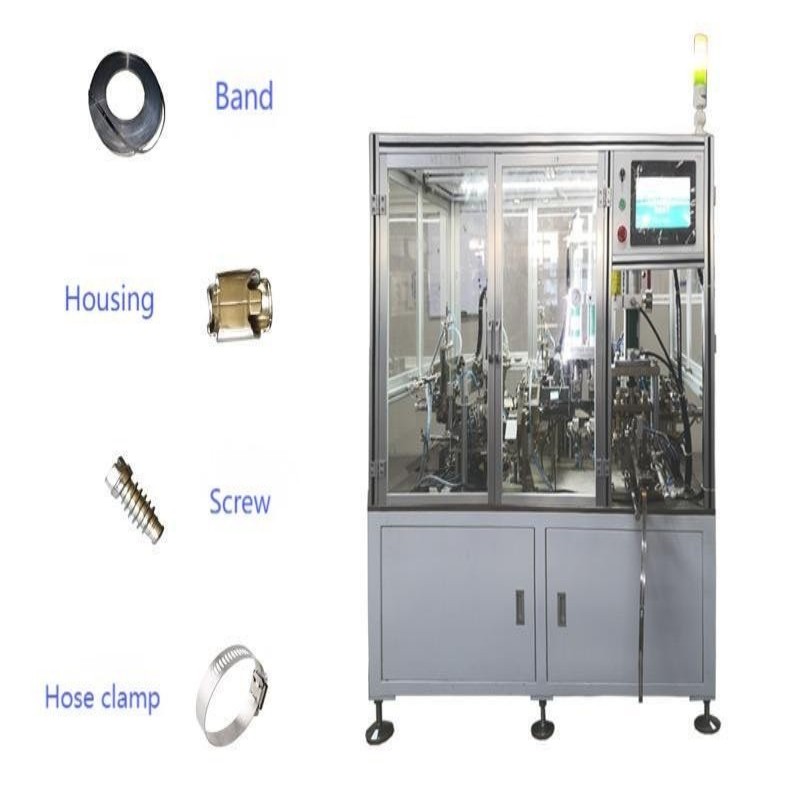
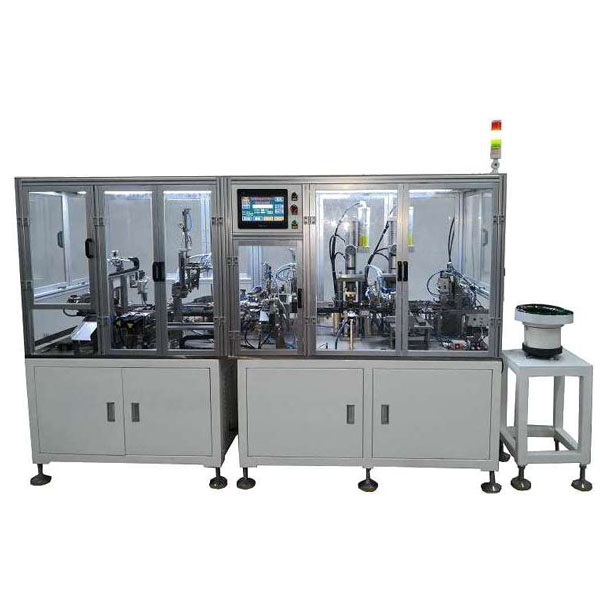
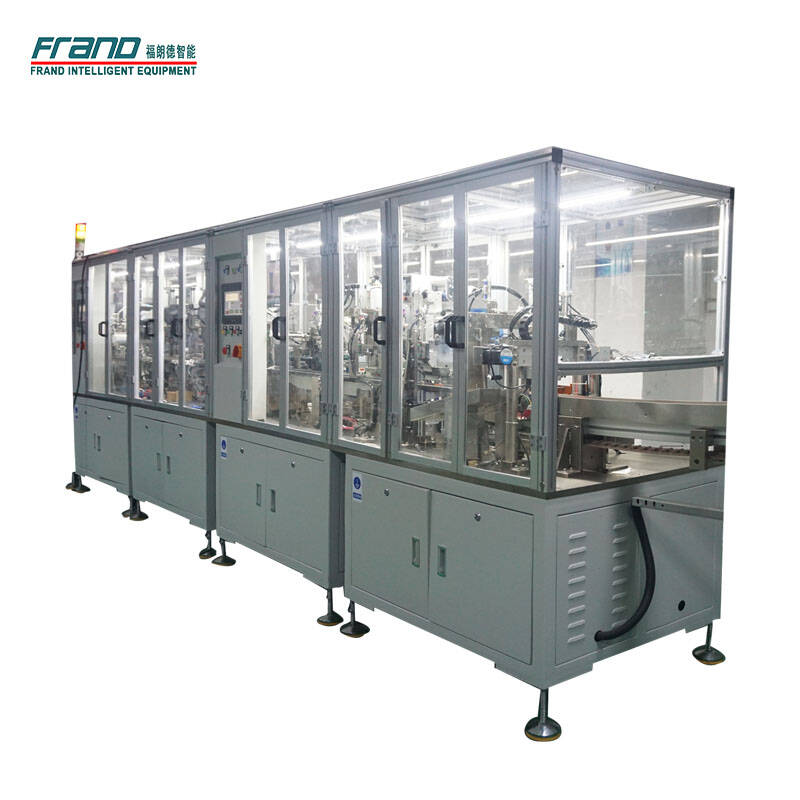
    For manufacturers requiring consistent quality in high-speed hose clamp assembly, Frand’s American-Type Hose Clamp Assembly Machine delivers unmatched performance. Designed specifically for the U.S. market’s stringent standards, this system integrates advanced robotics and intelligent control to streamline production of worm-drive and T-bolt clamps.   Key Technical Advantages:   Speed & Output: Capable of assembling 800–1,200 clamps per hour, with adjustable settings for different sizes (6mm–50mm diameter). Precision Engineering: Servo-driven mechanisms ensure uniform bolt tightening (torque accuracy ±0.5 Nm) and consistent slot alignment, reducing defective rates to <0.1%. User-Friendly Interface: 10-inch touchscreen HMI allows operators to switch between clamp models in <5 minutes, minimizing downtime during product changeovers. Durability: Constructed with high-grade aluminum alloy and stainless steel components, ensuring 8,000+ hours of continuous operation with minimal maintenance. Industry Applications: Ideal for automotive coolant systems, heavy-duty trucks, and industrial machinery. A leading U.S. auto parts supplier reported a 35% increase in production efficiency after implementing our American-Type machine.

    detials

  • Pay attention when installing the spring hose clamp
    2025 - 09 - 05 Pay attention when installing the spring hose clamp
    (1) The distance L between the snap ring and the end pipe should be well controlled. The control of L should be combined with the instruction manual. When the gap between the two pipe ends is the smallest, it is necessary to ensure that the snap ring just sticks to the inclined surface. (2) In the case of determining the position of the snap ring, the size of the gap between the two pipe ends should be determined through calculation according to the elongation of the pipe and the ambient temperature during construction. The size deviation should be guaranteed during construction. (3) Under the premise of a certain moving distance, the greater the error in the height and width of the weld seam welded by the snap ring and the end pipe, and the perpendicularity between the plane of the snap ring and the axis of the end pipe, the smaller the expansion and contraction of the joint, and the worse the use effect. (4) Splash impurities during the welding of the end pipe and snap ring affect the seal of the end pipe. Before installation, the welding slag on the sealing surface should be removed to ensure the sealing effect.

    detials

  • Five signs indicating it's time to replace the hose clamps
    2025 - 09 - 23 Five signs indicating it's time to replace the hose clamps
    The hose clamp is a crucial component in various applications. Understanding when to replace the hose clamp is essential for maintaining the integrity of the system. The following five signs indicate that the hose clamp needs to be replaced: First, the hose clamp shows obvious corrosion or rust; second, there is liquid leakage at the connection; third, the clamping force of the hose clamp is insufficient or loose; fourth, the soft pipe material near the hose clamp shows cracks or damage; fifth, frequent adjustments or repairs are required. Timely handling of these signs can prevent further damage and ensure reliable performance. The Importance of Maintaining Hose Clamps Maintaining hose clamps is crucial for the overall performance of the system they belong to. A functioning hose clamp ensures the firm fixation of the soft pipe, preventing leaks and system failures. Regular inspection and maintenance help to detect wear conditions, allowing for timely replacement before problems arise. This not only extends the lifespan of the soft pipe but also reduces the risk of accidents caused by liquid leakage, thereby enhancing safety. Investing time in maintenance can avoid costly repairs and downtime, thus saving significant costs.   Common Risks of Ignoring Worn Hose Clamps Ignoring worn hose clamps can bring about some serious risks, affecting safety and functionality. These risks include:  Liquid leakage: May cause contamination and operational failures.  Increased downtime: Replacing damaged parts requires time and resources.  System failure: May lead to expensive repairs and replacement of larger systems.  Safety hazards: Leaking liquids can create a dangerous working environment.  Soft pipe damage: Worn clamps will damage the soft pipe, requiring additional replacements. Active maintenance of clamps can avoid these potential serious consequences. Sign 1: Visible corrosion or rust on the clamp Visible corrosion or rust on the hose clamp indicates that it needs to be replaced. This corrosion weakens the structure of the hose clamp and reduces its ability to firmly fix the soft pipe. Corroded hose clamps can cause leaks, endangering the entire system. It is crucial to handle any signs of rust promptly as they may escalate into more serious problems. Regular inspections help to detect corrosion early, allowing for replacement before damage occurs. Using stainless steel or coated hose clamps can reduce the risk of corrosion. How Corrosion Affects Clamping Performance of Hose Clamps Corrosion significantly affects the performance of hose clamps, weakening their grip and structural integrity. Corrosion causes the hose clamp to lose its sealing ability, resulting in fluid leakage and increased pressure on the soft pipe. Performance degradation may lead to accidental failure of the hose clamp, causing system failures. Additionally, the uneven surface caused by corrosion leads to further wear on the soft pipe, eventually causing it to be damaged prematurely. Ensuring that the hose clamp is free of corrosion is crucial for maintaining a safe and reliable connection. Preventing Hose Clamp Rusting Preventing hose clamp rusting is essential for extending its lifespan and performance. Here are some effective strategies:  Use stainless steel clamps: They are more resistant to corrosion.  Apply anti-rust coatings: The protective layer can significantly reduce rusting.  Regular inspection and cleaning of the clamp: Removing dirt and moisture helps prevent oxidation.  Ensure proper installation: Tightening the clamp correctly to avoid rusting water pools.  Proper storage of the hose clamp: Please store it in a dry place to prevent environmental damage. Taking these measures can greatly enhance the durability of the hose clamp. Sign 2: Liquid leakage around the connection Liquid leakage around the connection is an important signal that the hose clamp needs to be replaced. This leakage usually indicates that the hose clamp is no longer tight or secure, which may be caused by wear, corrosion, or improper installation. Timely handling of the liquid leakage is crucial as it may lead to larger system problems, resource waste, and safety hazards. Regular inspections of the leakage help to detect hose clamp failures early, allowing for timely replacement to maintain system efficiency and safety. Do not overlook leaks, as they indicate potential problems.   Why does leakage indicate fixture failure? Leakage around the hose connection is a clear sign of a clamp failure, usually caused by multiple factors. Firstly, corrosion or rust can weaken the clamp and reduce its ability to maintain a seal. Secondly, if the clamp becomes loose due to vibration or temperature changes, it can no longer provide a firm support, leading to leakage. Finally, a worn-out clamp may not be properly installed, creating gaps that allow liquid to escape. Ignoring these leaks can cause serious damage to the system and increase maintenance costs. Sign 3: Loss of tightness or loose fixture Loss of tightness or looseness of the hose clamp is an important signal that requires replacement. A loose hose clamp can cause serious problems, including liquid leakage, hose damage, and even system failure. Regular inspection of the tightness of the hose clamp is crucial because even a slight looseness can damage the integrity of the entire system. Factors such as vibration, temperature fluctuations, and corrosion can cause the hose clamp to loosen over time. Addressing this issue promptly can prevent further damage and ensure the smooth operation of the system. Danger of loose hose clamp A loose hose clamp brings multiple dangers that affect safety and system functionality. Some of the main dangers include:  Liquid leakage: May cause contamination and operational failures.  Hose damage: Increases friction and movement, causing the hose to tear or weaken.  System failure: May lead to expensive repairs or replacement of critical components.  Safety hazard: Leaking liquid can pose a danger to workers.  Increased maintenance costs: Frequent repairs due to clamp failure will increase costs. Maintaining the appropriate tightness of the hose clamp is crucial for preventing these risks. How to properly tighten the hose clamp Proper tightening of the hose clamp is essential for ensuring a secure connection and preventing leakage. Please follow the steps below to effectively tighten:  Select the correct tool: Use a screwdriver or socket wrench suitable for the clamp type.  Align the hose correctly: Ensure the hose is in the correct position before tightening.  Uniform tightening: Apply constant pressure to avoid damaging the hose or the clamp.  Do not over-tighten: This may cause the hose to compress and eventually damage it.  Regularly check the tightness: Pay attention to the clamp and maintain the appropriate tension. Following these steps can ensure that the hose clamp remains tight. Sign 4: Rupture or damage to the hose material near the fixture Rupture or damage to the hose material near the hose clamp is a concerning signal that requires replacement. This damage usually occurs when the hose clamp is too tight, causing the hose to bear unnecessary pressure, or when a worn-out hose clamp causes the hose to move excessively. Dealing with hose damage is crucial because if left untreated, it may lead to leakage and system failure. Regular inspection of the hose and hose clamp helps prevent such problems and ensures a secure connection without damaging the integrity of the hose. Timely replacement of damaged hoses is necessary to maintain their normal function. How the hose clamp damages the hose over time The hose clamp will damage the hose over time due to various factors. Firstly, if the clamp is tightened too tightly, it may create pressure points, causing cracks and tears in the hose material. Secondly, corrosion or worn-out clamps can lead to uneven wear, resulting in weak points on the hose. Finally, a loose clamp will cause excessive movement, leading to hose wear and premature failure. It is necessary to monitor both the clamp and the hose simultaneously to prevent damage and ensure a reliable, leak-free connection between components. Selecting the appropriate clamp to prevent damage Selecting the appropriate clamp is crucial for preventing hose damage. Here are some key considerations:  Clamp size: Ensure the clamp size is suitable for the hose to ensure a secure fit.  Material: Choose a corrosion-resistant material, such as stainless steel, to ensure durability.  Clamp type: Select the appropriate clamp type for your application (e.g., worm gear, spring).  Fastening mechanism: Select a mechanism that can evenly tighten without excessive force.  Application details: Please consider the pressure and temperature of the system. Choosing the appropriate clamp helps maintain the integrity of the hose and prevents premature damage. Sign 5: Frequent adjustments or repairs are required If you find that you need to frequently adjust or repair the hose clamp, it's time to replace it. A loose or frequently malfunctioning hose clamp indicates that the current one is worn out or not suitable for the application. This situation may lead to increased downtime, decreased user satisfaction, and potential damage to the hose and surrounding systems. Upgrading to a more durable and reliable hose clamp can reduce the need for frequent adjustments and ensure a stable and reliable connection. Investing in high-quality hose clamps can enhance the reliability and performance of the system. Upgrade to a durable and reliable clamp Upgrading to a durable and reliable hose clamp is crucial for reducing maintenance workload and improving system performance. When choosing a new hose clamp, consider factors such as material strength, corrosion resistance, and specific application requirements. Stainless steel hose clamps have excellent durability and the ability to withstand environmental factors. Additionally, ensure that the new hose clamp has the appropriate fit and effective fastening mechanism to prevent future problems. This upgrade can not only save maintenance time but also ensure a safer and more efficient operating environment. How to choose the appropriate replacement hose clamp? Choosing the appropriate replacement hose clamp requires considering several important factors. First, determine the appropriate size to ensure it matches the diameter of the hose. Secondly, select the material based on environmental conditions and potential corrosion risks; stainless steel is usually a good choice. Thirdly, understand the specific application requirements and choose the appropriate type of hose clamp, whether adjustable or fixed. Finally, consider the fastening mechanism to ensure ease of installation and safety during the installation process. These factors will ensure that you choose the appropriate replacement hose clamp. Key factors to consider when replacing the clamp When replacing the hose clamp, consider several key factors to ensure the correct selection:  Size: Measure the diameter of the hose to select the appropriate clamp size.  Material: Choose a durable and corrosion-resistant material.  Type: Select the type of clamp that is most suitable for your application and requirements.  Fastening system: Ensure the system is easy to install and securely fastened.  Application conditions: Consider the temperature and pressure requirements of the specific use. Considering these factors will help you make a wise decision when replacing the hose clamp. When to seek professional help for replacing the clamp Understanding when to seek professional help for replacing the hose clamp is crucial. If you encounter persistent problems, such as severe leakage, severe damage to the hose, or difficulty in tightening the clamp, you should consult a professional. Additionally, if the application involves high pressure or critical systems, expert assistance can ensure a safe and effective replacement. Professionals can guide you in selecting the appropriate type and size of the clamp to avoid potential future failures. If necessary, seek help at any time.

    detials

  • Differences between hose clamp and hose clip
    2025 - 09 - 05 Differences between hose clamp and hose clip
    Hose clamps and hold hoops belong to fasteners, and both names are collective terms, which is the similarity between hose clamps and hold hoops. The hose clamp is used to connect soft and hard pipes, and the hold hoop is used to fix the support, which is their difference. The hold hoop is used for fixed support, and it is divided into cross-arm hoop, U-shaped hoop, semi-circular hoop, flat iron hoop, and cable hoop. Different types have different functions. The cable hoop is composed of two semicircles with a thickness of 5mm. By tightening two screws, it is fixed on the utility pole, so as to pull the utility pole to keep the force-bearing surface consistent and stabilize the utility pole from falling down. The U-shaped hoop is used with the cross arm, and is fixed on the utility pole to play the role of stringing. Different types of hoops have different purposes. Hose clamps are often used to connect soft and hard pipes. The types are divided into British, American, European, German, steel wire, strong and other types. For example, choose strong hose clamps for sewage hoses, choose American construction machinery for automobiles and motorcycles, choose European style, thick-walled hoses choose steel wires . The fastening force of each type of hose clamp is different, and it can be installed at the desired position as required.

    detials

  • Advantages and disadvantages of stainless steel hose clamp
    2025 - 09 - 05 Advantages and disadvantages of stainless steel hose clamp
    Since the appearance of stainless steel, this special metal material has been widely used in various industries, and it has rapidly flooded into all aspects of people's lives, including various mechanical products. In hardware accessories, the hose clamp is currently the most widely used type, especially the stainless steel hose clamp, which is highly praised by people because of its particularity and good adaptability, and its superior performance in some industries is even better than others. For example, the stainless steel hose clamp used in the intermediate frequency furnace is not easy to heat up, which can effectively improve the problem of overheating of its connecting parts. The main reason why the stainless steel hose clamp does not conduct heat on the intermediate frequency furnace is that stainless steel is not magnetically conductive, but when the motor coil heats up, because its main material is copper, it is not magnetically conductive, but it will also generate heat when the current passes. The rotor in the motor is wound with copper wires, so it does not conduct heat in the case of electromagnetic induction, but if there is a current passing through it for a long time, it will also generate heat and need to be cooled. These are two different situation. The situation of heat generation should be treated differently, and the role of stainless steel hose clamps in it is also different. What we need to pay attention to is that in different situations, we need to treat it in different ways, and when it needs to be cooled, it should be done in time to avoid damage to the machine caused by excessive temperature.

    detials

  • The importance of hose clamps in industry
    2025 - 09 - 05 The importance of hose clamps in industry
    There are many types of hose clamps, and different hose clamps have different effects. The general material of the hose clamp is iron and stainless steel. The specification and model can be customized at the same time. It plays a very important role. It is the top priority of the hose connection and hard pipe connection. Its role is to lock the connection to make it more tightly sealed, and there will be no air or water leakage. In the past, people always used iron wire to secure the connection, but the tightness of the iron wire is limited. When it is tight to a certain extent, the iron wire will break and become useless. The current application of hose clamp is the same as that of iron wire fastening, but it solves the disadvantages of insufficient fastening force and small contact area. In the industry, no matter what the connection is, it is inseparable from the appearance of the hose clamp. The importance of the hose clamp in the industry is obvious.

    detials
  • Introduction of British, German and American hose clamp
    2025 - 09 - 05 Introduction of British, German and American hose clamp
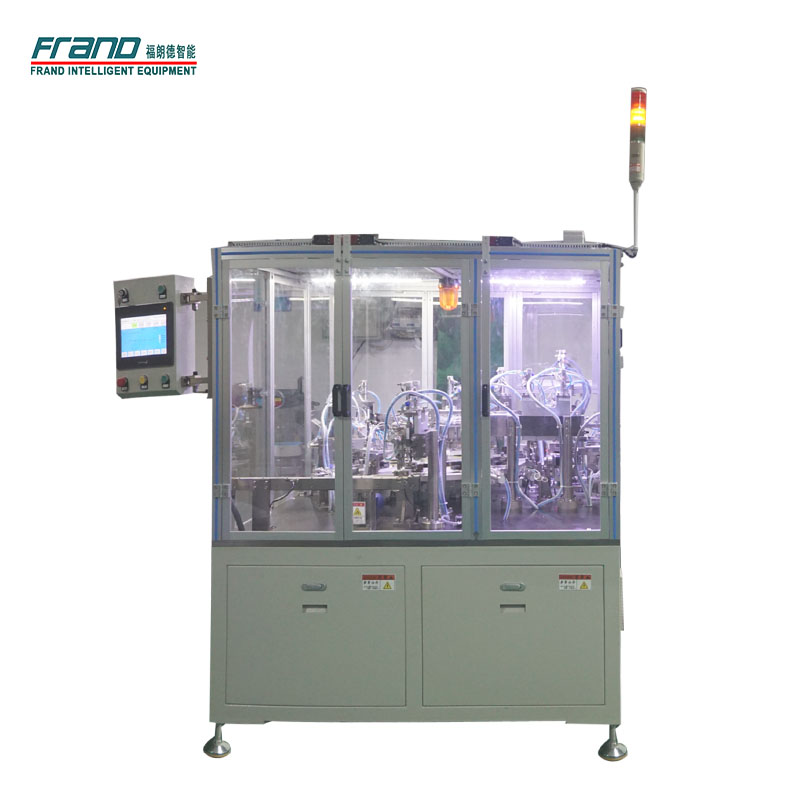
    Hose clamps are mainly divided into three types: British style, American style and German style. In addition, there are other derivative products such as pipe bundles and European standard hose clamps. English hose clamp: the material is galvanized, commonly known as iron galvanized, with moderate torque, cheap price and wide application range. German hose clamp: the material is iron, the surface is galvanized. The buckle is stamped and formed, with high torque and moderately high price. The market share is low due to the high cost of production. American hose clamps: divided into two types: galvanized iron and stainless steel. The main difference is that the buckle distance is perforated (that is, through the eye buckle). The market is mainly made of stainless steel, which is mainly used in high-end markets such as auto parts. Its price is higher than the other two.

    detials
  • Germany Type Hose Clamp Assembly Machine
    2025 - 09 - 05 Germany Type Hose Clamp Assembly Machine
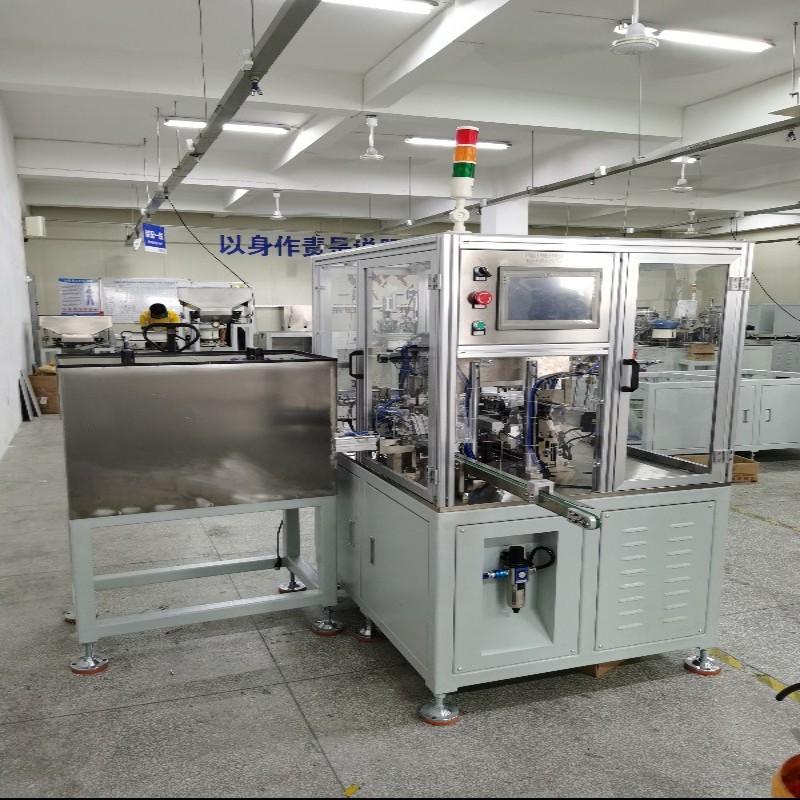
      High Speed Automatic Germany Type Hose Clamp Assembly Machine   The Automotive Hose Clamp Assembly Production Line, including vibrating feeding tray, conveying structure, frame, holding mechanism, coiling mechanism, tightening mechanism, etc., is mainly used for automatic assembly and production of hose clamp. Hose clamps are widely used in automobiles, tractors, ships, gasoline engines, diesel engines, sprinklers and other mechanical equipment, the joints of the oil, gas, and liquid hoses, as well as the sewer connections of buildings and constructions, and all kinds of sturdy connection fittings for hose connections.   Products Features: 1. The linear structure is simple and easy to install and maintain. 2. Operating parts adopt parts of world famous brands. 3. Highly automated and intelligent operation, no pollution.   Technical Parameters:   Product name Automatic Germany Type Hose Clamp Assembly Machine Size 2600mm(L)*1200mm(W)*1800mm(H) Weight 1 Ton Work Area 5000mm(L)*3000mm(W) Power Single-phase power 115v,60Hz (ANSI electric standards) Pressure 0.5Mpa-0.7Mpa (72.5-101.5 PSI) Free Twisting Force 0.8-1.3N/M (7.08-11.505 in/ibs) Destructive Twisting Force more than 13.56N/M (120 in/ibs) Equipment Failure Rate less than 0.5% Efficiency 1000pcs/hour Warranty Period one year Additional Serves Professional technology training Brand of Main Parts SMC Japan, SIEMENS Germany, Panasonic Japan, Keyence Japan, Schneider France, BASLER Germany,       Application:

    detials
  • Precautions for buying hose clamps
    2025 - 09 - 05 Precautions for buying hose clamps
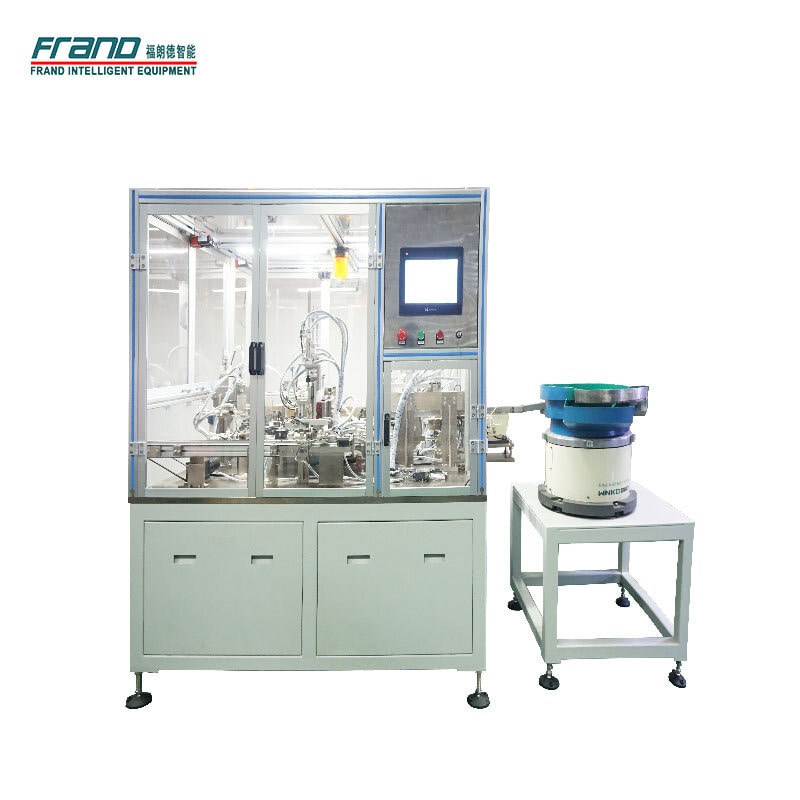
    When purchasing a hose clamp, if you need a 70mm clamp, you should choose a clamping range between 50mm and 70m when you choose, and subtract 20mm from the maximum range. This is the most basic feature, and it is also clearly stipulated in the relevant standards. If the environment used has special requirements, or the connected pipeline is special, then it needs to be customized, and a series of parameter data should be provided to the manufacturer, so that the manufacturer can design a special and targeted product. When people buy things, they like to buy cheap ones. They always want to find high-quality and cheap products. In fact, the price is not the only factor that determines the characteristics of the product, but it is necessary to pay attention when buying hose clamps. The lower the price, the lower the price. Indicates that certain aspects of the product cannot meet the requirements. Especially in some projects, many people in charge of procurement ask online where is the cheapest one. In fact, there are many cheap hose clamps on the market that are sold after refurbishment. The domestic recycling mechanism is not perfect. Many people treat unusable products as scrap iron or scrap gold, and some people simply refurbish those products that are not seriously damaged, and then sell them.

    detials
  • What standard can stainless steel hose clamps meet to enter passenger cars
    2025 - 09 - 12 What standard can stainless steel hose clamps meet to enter passenger cars
    To enter the field of passenger cars, hose clamp need to meet a series of strict standards and specifications to ensure their safe, reliable and effective use in automobiles. Here are some standards and requirements that may apply:   National or industry standards The hose band should comply with national or industry standards, such as China's QJ 177.13A-1995, QJ 177.14A-1995, QJ 177.15A-1995 and QJ 177.16A-1995 general hose band standards. These standards specify the size, material, performance and other requirements of the hose hoop.   2. Material standards The material of the hose hoop should meet a certain strength and corrosion resistance to ensure its long-term use in the automobile. Stainless steel is one of the commonly used throat band materials because it has excellent corrosion resistance and strength. In addition, the material of the hose hoop should also meet the material standards of the automotive industry, such as ISO, ASTM and other international standards or China's GB/T and other national standards.   3. Dimensions and specifications The size and specification of the hose band should match the pipe and interface of the passenger car. Common throat collar models include 0.25cm, 0.6cm, 1.0cm, 1.6cm and 2.5cm, but the actual size may vary by model and manufacturer. Therefore, when selecting the hose hoop, you should refer to the specific size and specification requirements provided by the automobile manufacturer.   Fourth, performance requirements The hose band should have a certain elasticity and fastening force to ensure that it can be tightly fixed on the pipeline and interface to prevent leakage and loosening. In addition, the hose band should also have a certain high temperature and low temperature resistance to adapt to the use of passenger cars in different climatic conditions.   5. Quality certification Hose hoop manufacturers should pass the relevant quality certification, such as ISO 9001 quality management system certification, etc., to ensure the quality and reliability of their products. In addition, the hose band should also be certified and tested by the automobile manufacturer to ensure that it meets the specific requirements and standards of the automobile.   6. Safety standards The hose band should meet the relevant safety standards to ensure its safe use in automobiles. For example, the throat hoop should have a certain impact and vibration resistance to prevent loosening or falling off due to vibration and impact during vehicle driving.   In summary, to enter the field of passenger vehicles, the hose hoop needs to meet the requirements of national or industry standards, material standards, size and specifications, performance requirements, quality certification and safety standards. These requirements ensure the safe, reliable and effective use of the hose band in automobiles.  

    detials

  • How to properly install and remove the pre-opening spring clamp?
    2025 - 09 - 17 How to properly install and remove the pre-opening spring clamp?
    The steps to install the pre-opening spring clamp are as follows:   1. ** Preparation ** : Select the appropriate size and type of pre-opening spring clamp, and ensure that its surface is smooth and non-damaging. In addition, prepare required tools, such as screwdrivers and wrenches.   2. ** Clean the installation part ** : Clean the part where the clamp needs to be installed and ensure that the surface is free of oil, dust and impurities.   3. ** Install the clamp ** : Align the opening of the pre-opened spring clamp with the installation part, and then tighten the screw or nut of the clamp with a screwdriver or wrench until the clamp is firmly fixed on the installation part.   4. ** Check the installation effect ** : After the installation is completed, check whether the clamp is firm, whether there is loosening or deformation. If the problem is found, it should be adjusted or replaced in time.   The steps to remove the pre-opened spring clamp are as follows:   1. ** Preparation ** : Select the appropriate size and type of removal tools, such as clamp pliers, screwdrivers, etc. At the same time, ensure that the surface of the disassembly tool is smooth and free of damage.   2. ** Loosen the clamp ** : Loosen the screw or nut of the pre-opened spring clamp with the clamp pliers or screwdriver until the opening of the clamp becomes larger.   3. ** Remove the clamp ** : Align the opening of the clamp with the installation part, and then remove the clamp from the installation part by hand or tool.   4. ** Check the disassembly effect ** : After the disassembly is completed, check whether the installation part is damaged or deformed. If the problem is found, it should be repaired or replaced in time. It should be noted that when installing and removing the pre-opened spring clamp, the relevant safety specifications and operating procedures should be followed to ensure the safety of the operator. At the same time, the appropriate installation and disassembly method should be selected according to the actual situation to ensure the installation and disassembly effect of the clamp.  

    detials

  • A Comprehensive Guide to Using Heavy-Duty Clamps
    2025 - 09 - 24 A Comprehensive Guide to Using Heavy-Duty Clamps
    Heavy-duty clamps are commonly used fastening accessories in pipe connections, widely applied in water pipes, gas pipes, oil pipes, and various other pipe systems. Their core function is to ensure a tight seal at pipe interfaces through high-intensity clamping force. Correct use of heavy-duty clamps not only extends the service life of the pipe system but also prevents safety hazards such as leakage and detachment caused by improper tightening. The following are detailed usage steps, precautions, and solutions to common problems. I. Preparations Before Use: Tools and Inspection Are Both Essential Before starting the operation, it is necessary to prepare the tools and inspect the clamps and pipes. This is the foundation for ensuring the installation effect. List of Essential Tools Basic Tools: Select the corresponding tools based on the type of clamp, such as a flat-head screwdriver, a Phillips screwdriver (for screw-type clamps), an adjustable wrench, and a socket wrench (for bolt-type clamps); for quick-release clamps, they can be operated directly by hand without additional tools. Auxiliary Tools: A tape measure (to measure the pipe diameter and confirm if the clamp size is compatible), a cotton cloth (to clean the pipe interface surface), and gloves (to protect the hands from being scratched by pipe burrs or clamp edges during installation). Key Inspection Steps Check the clamp: Ensure there is no deformation, cracks, rust, or other damage to the clamp, and that the screws/bolts are not stripped. If there is a gasket (if applicable), check that it is not aged or damaged. Ensure the structure is intact and meets strength requirements. Check the pipe: Clean the oil, dust, and burrs at the pipe interface to ensure the surface is smooth. If it is a new pipe, confirm that the interface size matches the clamp specification (the inner diameter of the clamp should be slightly smaller than the outer diameter of the pipe, typically with a difference of 1-3mm to ensure sufficient sealing force after clamping). II. Core Operation Steps: Four Steps to Secure Installation The installation of heavy-duty clamps follows the process of "positioning - clamping - pre-tightening - tightening". During the operation, control the force to avoid over-tightening and damaging the pipe or clamp. Step 1: Determine the Installation Position Align the two pipes to be connected and ensure the interfaces are fully in contact (if connecting a flexible pipe to a rigid pipe, insert the flexible pipe into the rigid pipe interface by at least 2-3cm to avoid detachment due to only covering the edge of the interface). Mark the clamp installation position: The clamp should be placed in the middle of the pipe interface, not at the edge, to ensure the clamping force is evenly distributed over the interface. If multiple clamps are needed (for large-diameter pipes), the recommended spacing between adjacent clamps is 5-10cm, and they should be symmetrically distributed. Step 2: Insert the Heavy-Duty Clamp Loosen the screws/bolts of the clamp, spread the open end of the clamp, and slowly place it over the marked pipe interface. Ensure the clamp's steel band/clamp body fully wraps around the pipe without any offset or distortion. If the clamp has a gasket (such as a rubber gasket), confirm that it is tightly against the pipe surface without any wrinkles. The gasket's role is to enhance the seal and prevent wear on the pipe from direct contact with the metal clamp. Step 3: Pre-tighten and Fix Use your hand to turn the screws/bolts of the clamp or use a tool to gently rotate it, initially tightening the clamp until the clamp body is in contact with the pipe surface. At this point, the pipe should not be loose but still allow for slight adjustment (avoid excessive force during the pre-tightening stage to prevent inability to adjust later). Adjust the pipe and clamp: Confirm that the pipe interface is not misaligned and the clamp position is accurate before proceeding to the next step of tightening. If the pipe is misaligned, release the pre-tightening force, realign, and pre-tighten again. Step 4: Final Tightening (Critical Step) Select the appropriate tool: Use a screwdriver of the corresponding size for screw-type clamps and a wrench for bolt-type clamps. Apply force perpendicular to the screws/bolts and slowly turn the tool to gradually tighten the clamp. Control the tightening force: This is the core to avoid damage - observe the changes in the pipeline during tightening. When the surface of the pipeline shows slight deformation (such as a slight indentation on the hose), or when the tool feels significant resistance, stop. Different materials require different forces: plastic pipelines need to be tightened gently to avoid cracking; metal pipelines can be tightened more firmly, but avoid deforming the steel band of the clamp. Check the seal: After tightening, shake the pipeline by hand to ensure it is not loose. If conditions permit, apply soapy water to the connection and observe for bubbles (if there are bubbles, it indicates a leak and the clamp or pipeline needs to be re-tightened or inspected for damage). III. Precautions for Use: Avoid Common Mistakes to Ensure Safety and Durability Matching specifications is the prerequisite Never use clamps of incorrect size: If the inner diameter of the clamp is too large, it won't hold the pipeline tightly, causing leakage; if it's too small, forcing it on will deform the clamp or damage the pipeline. When purchasing, clearly identify the outer diameter of the pipeline and choose the corresponding size of the clamp (for example, if the pipeline's outer diameter is 25mm, select a clamp with an inner diameter of 22-25mm). Material compatibility for corrosion resistance Choose the material of the clamp based on the usage environment: For corrosive environments such as water, acids, and alkalis, use stainless steel clamps (such as 304 stainless steel) to avoid rust and failure of ordinary carbon steel clamps; for high-temperature environments (such as engine pipelines), use high-temperature resistant steel band clamps to prevent the clamp from aging due to high temperatures. Avoid over-tightening Over-tightening is the most common mistake: it can cause the pipeline (especially plastic and rubber pipes) to crack or deform, and in severe cases, it can cause the clamp screws to strip or the steel band to break, losing its tightening effect. Follow the principle of "stop when significant resistance is felt" during tightening; there is no need to tighten to the maximum. Regular inspection and maintenance Regular checks are necessary after installation: especially in scenarios with significant vibration (such as mechanical equipment pipelines), check the tightness of the clamps weekly and confirm the seal every three months. If rust is found on the clamp, the screws are stripped, or there is a leak in the pipeline, replace the clamp promptly to prevent accidents. IV. Common Problems and Solutions Q&A Possible Causes Solutions Leakage at pipe connection 1. The clamp is not tightened properly; 2. The size of the clamp does not match; 3. The pipe connection is damaged 1. Retighten the clamp. If leakage persists, check if the size matches; 2. Replace with a clamp of the correct size; 3. Repair or replace the damaged pipe Loose or stripped clamp screws 1. The tool used is not the right size, causing the screw to break; 2. Over-tightening, causing excessive force on the screw 1. Use the correct tool. If the screw is stripped, replace the entire clamp; 2. Follow the correct tightening force and avoid excessive force Soft hose crushed by the clamp 1. The clamp material is too hard (e.g., metal clamps used directly on thin-walled hoses); 2. Excessive tightening force 1. Replace with a clamp with a rubber liner or place a soft cloth between the clamp and the hose; 2. Reduce the tightening force to the point where there is no leakage and the pipe is not loose Rusty and ineffective clamp 1. The clamp material is not corrosion-resistant (e.g., carbon steel used in a humid environment); 2. Long-term lack of maintenance 1. Replace with a corrosion-resistant clamp such as stainless steel; 2. Regularly clean the clamp and apply anti-rust agent to metal parts (non-sealing surfaces)

    detials

1 2 3 4 5 6

A total of6pages

leave a message

leave a message
If you are interested in our products and want to know more details,please leave a message here,we will reply you as soon as we can.

Home

Products

whatsApp