Boost Efficiency with Automated Assembly Machines
May 07, 2026
In today’s rapidly evolving manufacturing landscape, boosting efficiency has become more critical than ever. Companies face increasing pressure to optimize production processes while maintaining high quality and controlling costs. Automated assembly machines stand at the forefront of this transformation, providing manufacturers with sophisticated tools designed to enhance productivity, reduce errors, and improve workplace safety. By leveraging automated assembly systems, businesses can significantly elevate their operational capabilities and secure a competitive advantage in their industry.
Understanding Automated Assembly Machines in Modern Manufacturing
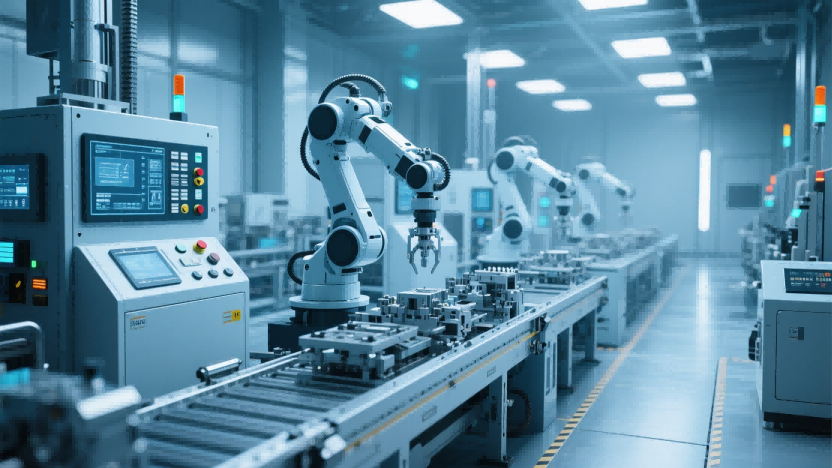
Automated assembly machines are specialized equipment designed to perform assembly tasks with minimal human intervention. These machines integrate various manufacturing processes such as pick-and-place operations, screw-driving, welding, and component insertion, all programmed to work in seamless coordination. For instance, pick-and-place robots are widely used for their precision in placing components onto circuit boards, while automated screw-driving machines enhance consistency in fastening parts. This orchestration of multiple automated processes results in streamlined production lines capable of handling complex assembly tasks efficiently.
The flexibility of automated assembly machines allows them to be tailored to various industry needs, from automotive manufacturing to electronics and consumer goods. Their design incorporates sensors, actuators, and advanced control systems, enabling real-time monitoring and adaptation during the assembly process. This technological integration ensures that the machines not only perform repetitive tasks but also maintain a high degree of accuracy and reliability.
Benefits of Automation in Manufacturing: Efficiency, Quality, and Cost Savings
One of the primary advantages of automated assembly machines is the significant increase in production efficiency. Automation accelerates production speed by performing repetitive tasks faster and with less downtime compared to manual labor. This increased throughput often translates into a favorable return on investment (ROI), as manufacturers can meet higher demand without proportionally escalating labor costs.
Quality control is another critical benefit. Automated assembly machines often incorporate sensors and high-speed cameras that detect anomalies during the manufacturing process. These technologies facilitate immediate error detection and correction, minimizing defective products and ensuring consistent quality standards. High-speed inspection equipment integrated into the assembly line further enhances quality assurance by enabling 100% inspection coverage.
Cost reduction is closely linked to efficiency and quality improvements. Automated systems reduce the reliance on manual labor, thereby lowering labor costs and minimizing human error. Although the initial investment in automated assembly machines can be substantial, the long-term financial benefits, including reduced waste, fewer recalls, and improved product quality, often outweigh these upfront costs.
Additionally, automation contributes to workplace safety by replacing hazardous manual tasks with machines, reducing the risk of injuries. This not only protects workers but also improves job satisfaction and morale, creating a more productive work environment. Furthermore, automated machines can operate continuously without fatigue, dramatically increasing production capacity. The integration of artificial intelligence (AI) and machine diagnostics further enhances machine uptime and predictive maintenance capabilities, ensuring continuous high performance.
Choosing the Right Machine Builder for Your Automated Assembly Needs
Selecting an appropriate machine builder is essential to maximize the benefits of automated assembly technology. The process begins with a thorough assessment of your production needs, identifying which tasks are suitable for automation to ensure the best return on investment. Factors such as production volume, product complexity, and integration with existing processes must be carefully evaluated.
When choosing a machine builder, consider their ability to customize solutions tailored to your specific manufacturing requirements. Effective communication and collaboration are vital to guarantee that the final system aligns perfectly with operational goals. Additionally, the builder’s technology portfolio, including their expertise in the latest automation trends and Industry 4.0 technologies, should be scrutinized to ensure future-proof investment.
The Future of Manufacturing: Embracing Automated Assembly Machines and Industry 4.0
The future of manufacturing hinges on the continued evolution of automated assembly machines integrated with Industry 4.0 technologies such as AI, the Internet of Things (IoT), and big data analytics. These advancements will further revolutionize production lines by enabling smarter machines that can self-optimize and adapt to changing conditions in real-time.
Manufacturers who invest in automation today position themselves to benefit from increased operational agility, reduced production costs, and enhanced product quality. The adoption of automated assembly machines is not merely a technological upgrade; it represents a strategic move toward a more sustainable and competitive manufacturing paradigm.
For businesses seeking to leverage these innovations, partnering with experienced providers such as Xiamen Frand offers access to cutting-edge machinery and tailored automation solutions. Their commitment to innovation and customer service makes them a trusted ally in navigating the complexities of automated assembly implementation.
How XIAMEN FRAND Can Help You Harness Automation
XIAMEN FRAND specializes in the design and manufacture of advanced automated assembly machines tailored to diverse industrial applications. With extensive industry experience, they deliver customized solutions that enhance production efficiency while ensuring product quality and workplace safety.
Committed to customer-centric service, XIAMEN FRAND TECHNOLOGY provides comprehensive support, from initial consultation to post-installation maintenance. Their expertise spans various machine types, including automatic hose clamp assembly machines and intelligent battery production lines.
Prospective clients are encouraged to explore the company's offerings and engage with their specialists to develop automation strategies that align with their unique manufacturing goals. Learn more about their products and services through their HOME page and gain insights on quality standards at their Quality Control page.
Up Next: Expand Your Knowledge with Related Insights
For those interested in further exploring automation and cost management within manufacturing, consider reading related blog posts and guides available on our website. Topics include comprehensive buyer’s guides for custom automation machines and strategies for optimizing manufacturing costs through automation.
Contact and Additional Resources
If you are ready to take the next step in automating your assembly processes or want to learn more about our solutions, please visit our CONTACT US page. We provide prompt support, detailed product information, and personalized consultations to help your business thrive in an increasingly automated world.